
If you have played games for a while, you have probably noticed how different buying a game feels now. Years ago, it was simple. You paid once, got the disc or download, and that was the whole deal. Maybe there was an expansion later, maybe not. Now it is a completely different world. Many games are designed to earn money long after they launch. Most players accept this, even if they complain now and then.
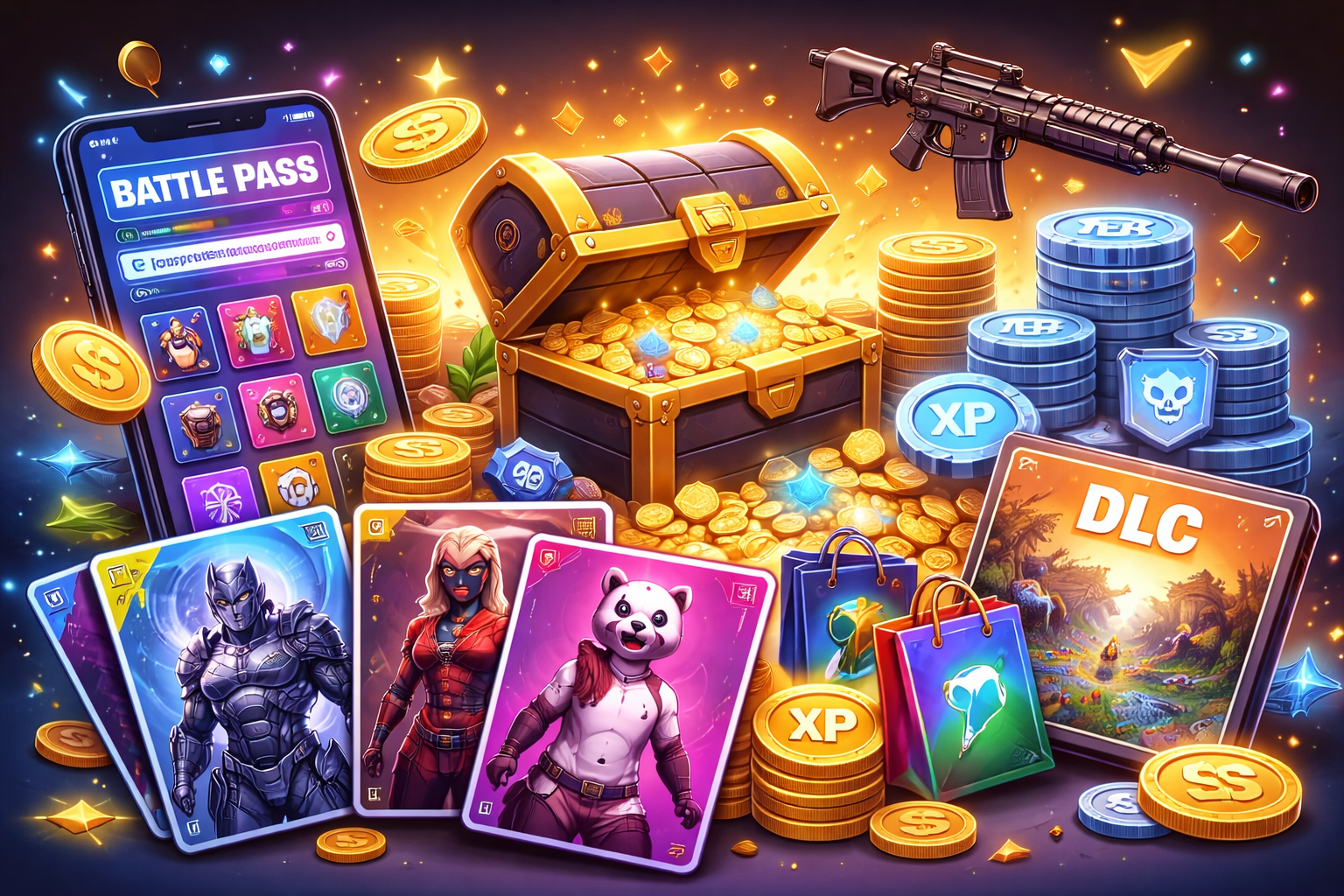
You can see it everywhere. Skins, battle passes, DLC, seasonal bundles, limited-time cosmetics. In talks about digital entertainment, names like 20Bet come up often. The main point is simple: platforms do better when they keep users engaged. They shouldn’t rely on just one payment at the start.
That change makes sense when you think about how games are made today. Modern games are expensive, not to create, but to maintain. Studios are no longer always shipping a finished product and walking away. A lot of them are updating games for months or even years. This includes server costs, bug fixes, new content, live events, and balancing. It also covers community support and a dedicated team working hard after launch day. From a business perspective, the old one-time purchase model is not enough for every project.
That is where in-game monetization comes in.
Skins are probably the easiest example because almost everyone understands them. A skin usually does not help you win. It just changes how your character, weapon, or item looks. On paper, that sounds minor. In real life, people care a lot. Players like looking different. They love to flaunt rare cosmetics, match their style, or get something connected to a fun event. It is digital self-expression, which sounds dramatic, but it is true.
That is also why skins work so well for developers. They do not mess with gameplay too much, so players are less likely to call the system unfair. At the same time, they create a steady stream of smaller purchases. Not everyone will spend a lot; however, many will spend a little now and then. This is especially true if an item looks good or feels limited.
Battle passes took that idea and made it even smarter. Instead of buying one cosmetic at a time, players buy access to a season of rewards. Then they unlock those rewards by playing. That part is important. A battle pass is not a store item. It gives people a reason to come back. Finish a few more matches, complete a few more tasks, and level up before the season ends. Suddenly, the game is not just sitting there on your console. It becomes part of your routine for a while.
That model has been huge because it ties spending to activity. Players do not just pay and leave. They pay, then stay. And for studios, that is gold. A game with a lively player base stays visible online. It joins conversations and is more likely to last longer. In contrast, a title that people abandon after two weeks fades away quickly.
Fortnite is the obvious example, and honestly, it earned that reputation. It proved how effective this whole approach could be. The game was free to start, which already removed a big barrier. Then it made money through cosmetics and battle passes without forcing everyone into a big upfront buy. Players could jump in, enjoy the game, and decide later whether they wanted extra content. That balance worked incredibly well.
What Fortnite showed was that a game could make money by keeping people interested for a long time. That is a big shift. The game didn’t treat launch day as the big event; it kept adding mini-moments. There were new seasons, new skins, and new crossovers. Players always had fresh things to chase. It stretched the life of the game in a way that older titles usually did not.
Then there is DLC. It feels a bit different since it often includes more content. You can expect new maps, story chapters, extra missions, characters, or even a full expansion. Good DLC can feel worth the money because it gives players more of a game they already like. It is less about looking cool and more about extending the experience.
Of course, not every monetization system lands well. Players can tell when a game is being greedy. They can feel when every menu is screaming at them to buy something. That is where people get irritated, and fair enough. Many players are okay with paying for extras. They want the game to stay fun without feeling pressured all the time. Small optional purchases can feel like sustainable entertainment. A longer reward system can feel like extended entertainment value. But once the whole thing starts feeling pushy, the mood changes fast.
That is probably the real lesson here. Monetization works best when it’s tied to the game rather than opposing it. Players want to enjoy themselves. They want to feel like valued guests in a world they enjoy, not like wallets chased by pop-ups.
Also Read: Why Mobile Gaming Is Taking Over: The Rise of Casino Play in Your Pocket